
Get Ground Hydrant Installation
Ground hydrant installation services help property owners ensure reliable fire protection by connecting to existing water sources, suitable for commercial, industrial, or large-scale facilities.
Ground hydrant installation can be an essential addition for property owners seeking reliable access to water in emergency situations, fire safety planning, or large-scale irrigation. If you are considering this type of system, it’s important to explore your options carefully and understand the benefits it can offer to your property’s safety and functionality. Local contractors experienced in ground hydrant installation can provide valuable insights and practical solutions tailored to your specific needs, helping you make informed decisions as you plan your project.
Comparing different service providers in your area ensures that you find the right fit for your property’s requirements and long-term goals. Whether for new construction, property upgrades, or safety enhancements, connecting with experienced local contractors can streamline the process and deliver results that meet your expectations. Keep reading to discover how to identify qualified professionals who can assist with ground hydrant installation and support your project from start to finish.
- Ground Hydrant Installation - needed when a property requires a reliable water source for firefighting or irrigation.
- Fire Protection System Setup - necessary for facilities that need to meet safety regulations with accessible water supply points.
- Agricultural Water Access - used by farms and ranches that need efficient water delivery for crops and livestock.
- Industrial Site Water Infrastructure - essential for factories and large-scale operations requiring consistent water access.
- Municipal Water Network Expansion - required when local governments or agencies are upgrading or extending firefighting infrastructure.
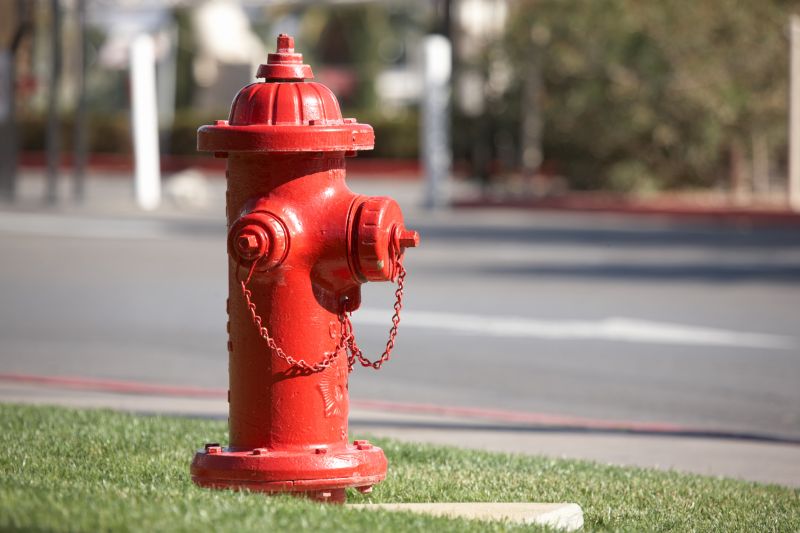
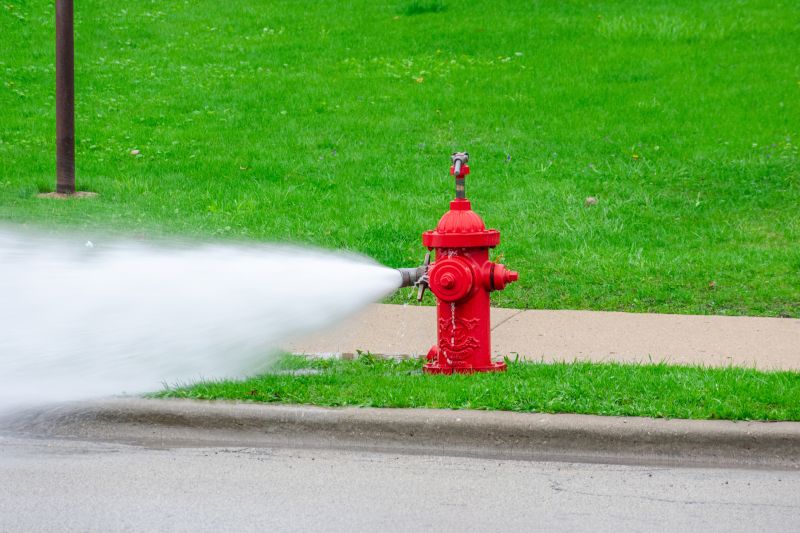
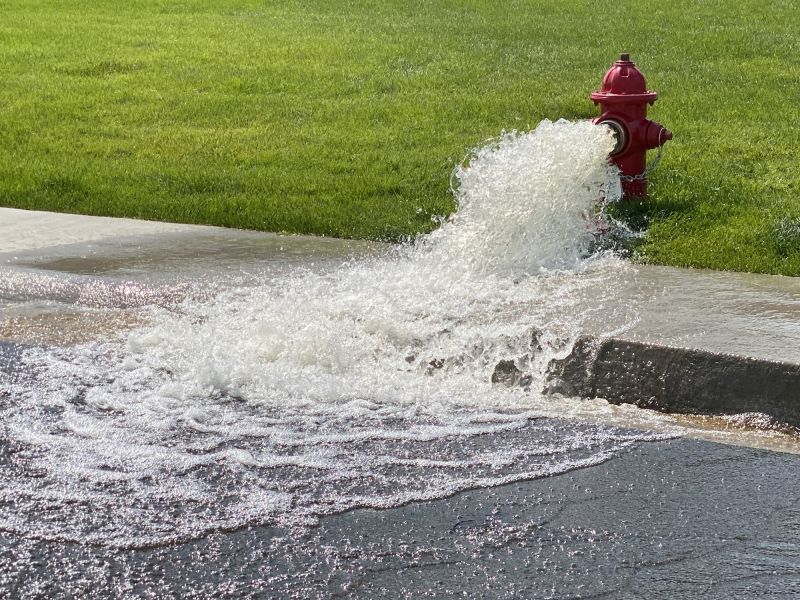
Ground hydrant installation services involve setting up specialized water outlets that are installed underground and designed to be easily accessible when needed. These systems typically include a valve and a nozzle that remain concealed beneath the surface until activated, providing a reliable source of water for firefighting, irrigation, or other emergency needs. The installation process requires careful planning to ensure proper placement, connection to existing water lines, and secure sealing to prevent leaks. Skilled local contractors can handle all aspects of this work, ensuring the hydrant is functional, durable, and compliant with local standards.
This service helps address problems related to water accessibility during emergencies or large-scale watering tasks. For homeowners with extensive landscaping, farms, or properties prone to wildfire risk, having a ground hydrant can be a crucial resource. It provides quick access to water without the need for long hoses or temporary setups, which can be cumbersome or unreliable. Additionally, ground hydrants can reduce the wear and tear on above-ground hoses and equipment, offering a more permanent and convenient solution for property owners who need reliable water access.
Ground hydrant installation is commonly used on residential properties with large yards, commercial properties, farms, and rural land where access to water is essential. These systems are especially valuable in areas where fire safety is a concern, or where irrigation needs are substantial and frequent. Homeowners who have extensive gardens, orchards, or livestock may find this service beneficial for maintaining their property efficiently. Typically, properties that require a dependable water source outside of standard plumbing systems are good candidates for ground hydrant installation.
If a property owner notices issues such as difficulty accessing water during emergencies or wants to improve their irrigation setup, ground hydrant installation might be the right solution. Local service providers can assess the property’s needs, recommend the appropriate type of hydrant, and handle the installation process. This service ensures that properties have a reliable, accessible water source that enhances safety, convenience, and operational efficiency. Contacting local contractors can help determine if a ground hydrant is suitable for a specific property and ensure the work is performed correctly.
The overview below groups typical Ground Hydrant Installation projects into broad ranges so you can see how smaller, mid-sized, and larger jobs often compare in your area.
In many markets, a large share of routine jobs stays in the lower and middle ranges, while only a smaller percentage of projects moves into the highest bands when the work is more complex or site conditions are harder than average.
Smaller Repairs - repairs to existing ground hydrants typically cost between $250 and $600 for many routine jobs. These projects often involve replacing or fixing specific components and are usually straightforward for local contractors. Fewer repairs fall into the higher end of this range unless additional work is needed.
Partial Replacement - replacing a ground hydrant or its parts can range from $1,000 to $3,000 depending on the scope. Many projects involve upgrading or installing new units in existing systems, with costs varying based on site conditions and equipment choices. Larger or more complex partial replacements may push costs higher.
Full System Installation - installing a complete ground hydrant system generally costs between $3,500 and $8,000. Many local service providers handle these projects for commercial or municipal properties, with costs influenced by the size and complexity of the system. Extensive installations or custom setups can exceed this typical range.
Large or Complex Projects - large-scale or custom ground hydrant installations can reach $10,000 or more depending on the project requirements. These are less common and involve significant planning, site prep, and specialized equipment. Most routine installations fall below this high-cost tier.
Actual totals will depend on details like access to the work area, the scope of the project, and the materials selected, so use these as general starting points rather than exact figures.
Underground Water Line Installation - This project involves planning and installing underground piping systems, requiring skills in trenching and precise excavation similar to ground hydrant setups.
Sprinkler System Installation - Installing irrigation systems involves understanding water supply connections and underground piping, aligning with the expertise needed for ground hydrant placement.
Fire Suppression System Setup - Setting up underground fire suppression lines demands careful planning and excavation, similar to the work involved in ground hydrant installation.
Utility Vault Construction - Building underground utility vaults requires excavation, site planning, and coordination of underground infrastructure, comparable to ground hydrant projects.
Drainage System Installation - Installing underground drainage involves trenching and underground piping, skills that are closely related to those used in ground hydrant installation.
Water Main Replacement - Replacing or upgrading water mains involves excavation and underground piping work, paralleling the techniques used in ground hydrant services.
When evaluating contractors for ground hydrant installation, it’s important to consider their experience with similar projects. Homeowners should inquire about how long a contractor has been working in this specific area and whether they have handled installations comparable to the scope and complexity of the job at hand. A provider with a proven track record in ground hydrant installation can offer insights into potential challenges and demonstrate familiarity with best practices, helping ensure the project is completed efficiently and correctly.
Clear, written expectations are essential for a successful project. Homeowners should seek detailed proposals that outline the scope of work, materials to be used, and any relevant specifications. Having this information documented helps prevent misunderstandings and provides a reference point throughout the project. Service providers who communicate their process and expectations in writing demonstrate professionalism and transparency, making it easier to compare options and make informed decisions.
Reputable references and effective communication are key factors when choosing a local contractor. Homeowners should ask for contact information from previous clients or reviews that speak to the quality of work and reliability. Additionally, good communication from the contractor-prompt responses, clarity in explanations, and willingness to address questions-can significantly impact the overall experience. While this site introduces homeowners to local options, it does not perform the work itself, so taking the time to assess these qualities will help connect with service providers best suited to meet specific project needs.
Property owners use Ground Hydrant Installation services for practical projects around their homes and businesses. This guide focuses on everyday jobs and straightforward project options.
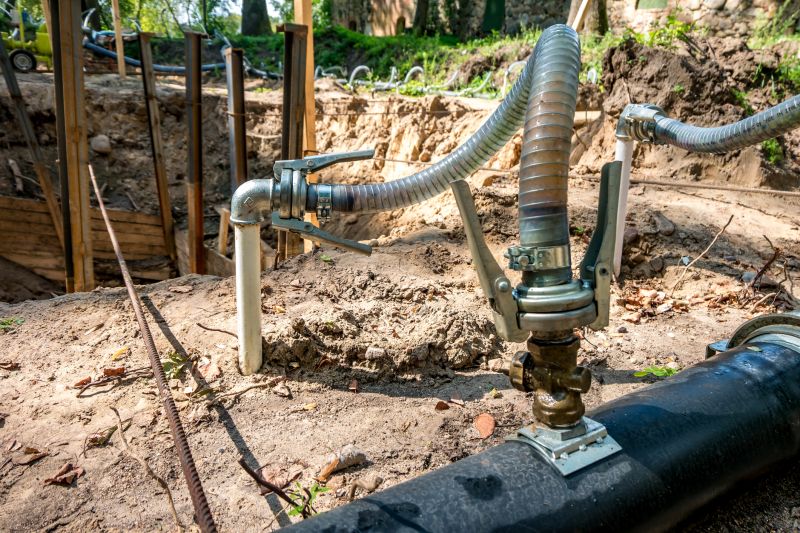
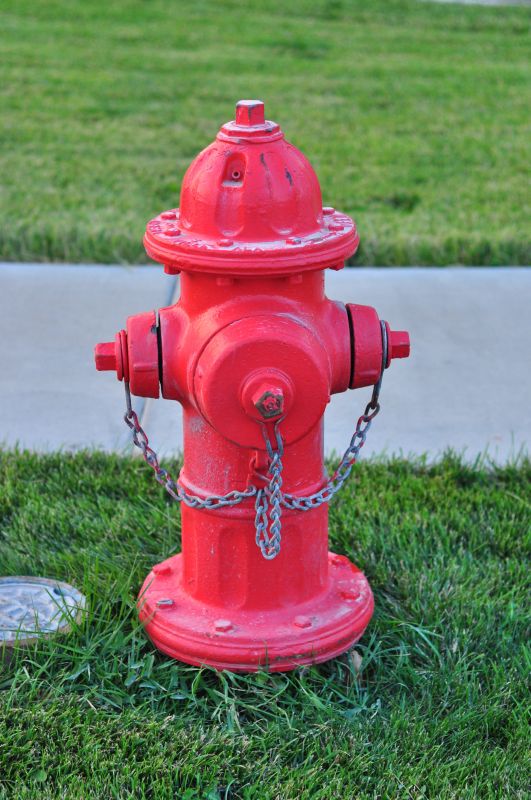
Ground hydrant installation is a common need for property owners who require reliable access to water in emergency situations or for routine maintenance. Whether a commercial property needs a functional water source for firefighting or a large residential site requires an underground hydrant for irrigation, local contractors can handle these installations efficiently. These services are often sought after during property development, upgrades, or when existing hydrants need replacement or repairs to ensure compliance and safety.
Property owners might also look for ground hydrant services when planning for future infrastructure needs or to improve existing fire protection systems. Local service providers can assist with the proper installation of underground hydrants, ensuring they are positioned correctly and integrated with the property's water supply. This work is essential for maintaining safety standards and ensuring quick access to water when emergencies arise.
What are ground hydrants used for? Ground hydrants provide accessible water sources for firefighting, irrigation, or other outdoor water needs in commercial and municipal settings.
How do local contractors install ground hydrants? They typically trench and connect the hydrant to the underground water supply, ensuring proper placement and functionality according to site requirements.
Are ground hydrant installations suitable for residential properties? While more common in commercial or municipal areas, some service providers may install ground hydrants on larger residential properties for irrigation or emergency access.
What maintenance is required for ground hydrants after installation? Regular inspection and testing are recommended to ensure proper operation, with some contractors offering ongoing maintenance services.
How can I find local service providers for ground hydrant installation? Use local lead generation platforms to compare and connect with contractors experienced in ground hydrant installation services in your area.
Ground Hydrant Installation for Fire Safety - Property owners can enhance fire protection by installing ground hydrants for quick access during emergencies.
Water Supply Solutions for Construction Projects - Construction sites may use ground hydrants to ensure a steady water source for various building activities.
Irrigation System Expansion - Agricultural or landscaping projects can benefit from ground hydrants to support efficient watering practices.
Emergency Preparedness Planning - Communities can incorporate ground hydrants into their safety infrastructure to improve response capabilities.
If you are thinking about Ground Hydrant Installation for a property, this guide is meant to help you understand the work, the typical project types, and how different options might fit your plans.
When you are ready, you can use the quote form on this page to share a few details about your project. From there, local pros can review the basics and respond with options that match what you have in mind.